
How gaming culture is shaping the modern world
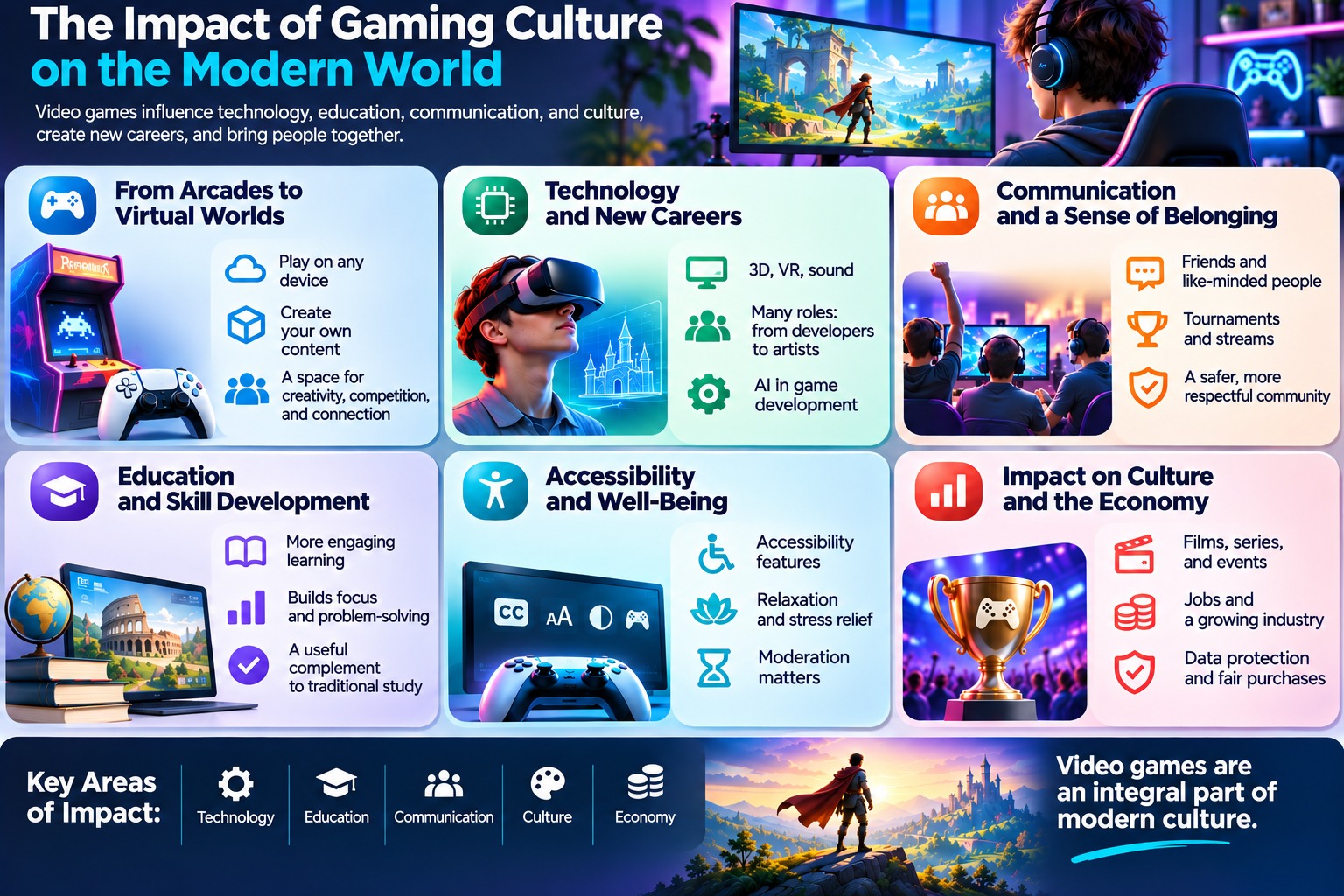
Video games have long since moved beyond being a hobby for enthusiasts. The industry has grown from arcade cabinets to virtual worlds on computers, consoles, and smartphones. Gaming culture influences technology, education, communication, and art, creates new careers, and brings communities together.
From arcade cabinets to virtual worlds
Today’s games span a wide range of genres, from puzzles and sports simulations to strategy games and sprawling adventures. As cross-platform play becomes more common, the lines between devices are gradually fading. Cloud services are opening up access to more games, and built-in editors let players design their own levels.
Games have become a space for creativity, competition, and connection.
Technology and new careers
The push for more realistic virtual worlds is driving progress in 3D modeling, animation, and audio processing. Game engines, motion capture, and virtual reality systems are now used in architecture, training simulators, and visual effects.
Artificial intelligence helps developers automate routine tasks and refine game systems. Still, the quality of a project depends on the creative decisions of the team. The industry needs more than programmers: it also needs artists, writers, sound designers, testers, and game designers.
Connection and belonging
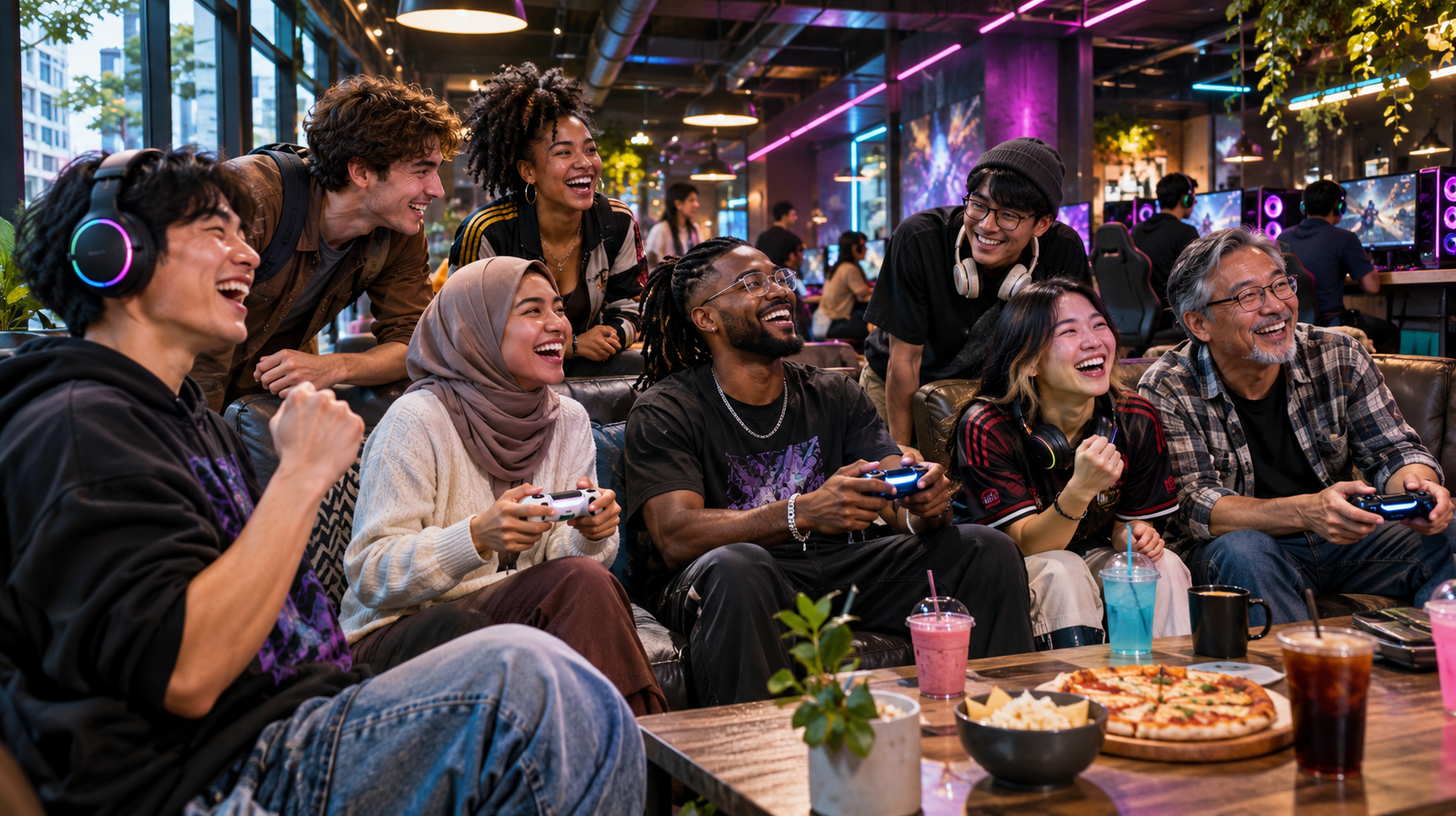
Multiplayer games make it possible to stay in touch with friends and find like-minded people no matter the distance. Completing missions together, dividing up roles, and competing on teams can help build communication and collaboration skills.
Gaming communities also thrive beyond the virtual world, in themed groups, on livestreams, and at tournaments. However, the quality of interaction depends on the atmosphere within a community, which is why fighting harassment and abuse remains an important challenge.

Education and skill building
Video games can make learning more engaging and visual. Historical reconstructions help players picture events of the past, simulators explain how complex systems work, and puzzles demand focus and problem-solving. Educational games provide a safe way to practice actions in simulated situations.
That said, the developmental benefits depend on the game’s content, the player’s age, and individual differences. Gaming is no substitute for structured learning, but it can be a useful supplement.
Accessibility and well-being
Subtitles, customizable controls, adjustable text size, and contrast settings make games easier to play for people with different needs. These features help more players take part in gaming communities.
For many people, video games are a way to unwind, take their mind off things, and cope with everyday stress. At the same time, long gaming sessions can interfere with sleep, physical activity, and other pursuits. Moderation and mindful choices about what to play are key.
Impact on culture and the economy
Game stories, music, and visuals reach well beyond the screen, inspiring movies, TV series, concerts, and themed events. Esports and game streaming attract huge audiences, while fans create artwork, costumes, and their own stories based on their favorite universes.
The industry’s economic influence goes far beyond game sales. Development studios, publishers, educational projects, tournament organizers, and digital content creators all make up its ecosystem. At the same time, data privacy, transparency in in-game purchases, age restrictions, and safe communication are becoming increasingly important.
Video games have become an integral part of modern culture. Their significance is measured not only by the size of the industry but also by their influence on learning, creativity, communication, and leisure.